24.07.2023
European Code of Conduct for Research Integrity Renewed
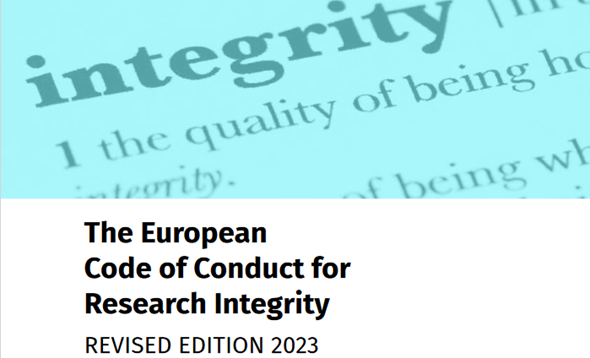
Science Europe congratulates ALLEA on the update of its European Code of Conduct for Research Integrity.
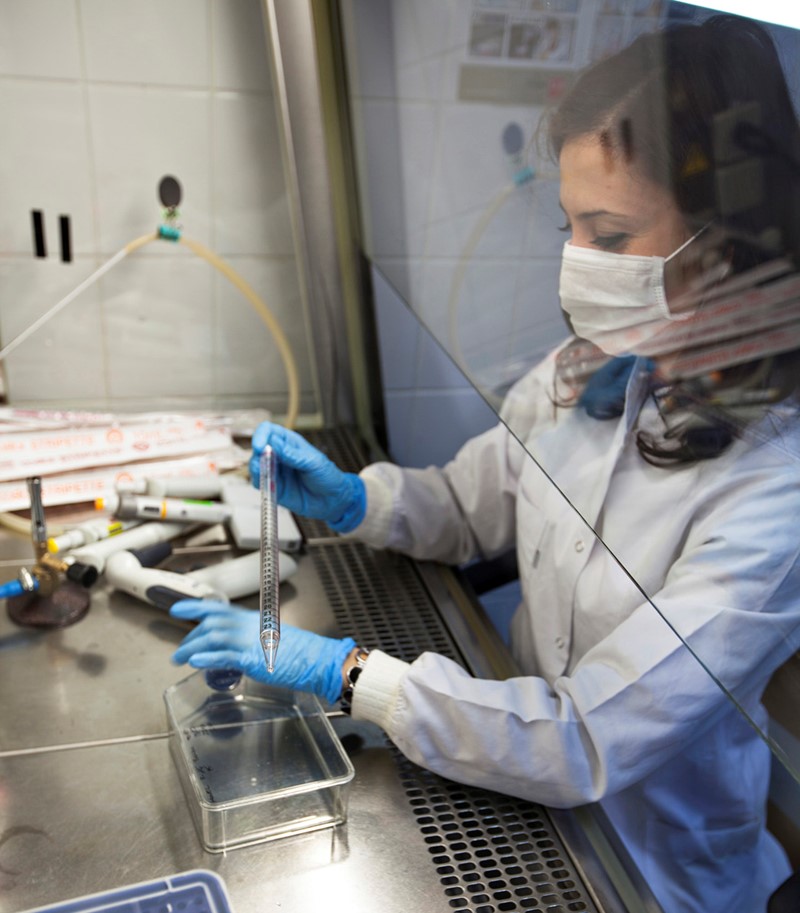
Responsible and evidence-based research and ethical behaviour are indispensable to ensure the reliability of research results. They are also essential factors to ensure public trust in research. Enhanced research integrity policies can significantly contribute to a well-functioning research environment.
Research integrity and ethical behaviour lie at the heart of excellent science and scholarship. Researchers must be able to trust and build on the work of others. They must also be trusted by society since they provide knowledge and scientific expertise. Responsible and evidence-based research is indispensable to ensure the reliability of research results. Enhanced research integrity policies can significantly contribute to a well-functioning research environment.
In 2026–2027, Science Europe is co-sponsoring ERA Action 18, entitled ‘Developing a coherent and coordinated framework for a European approach to integrity and ethics in R&I in the face of emerging challenges’.
Working with partners, the European Commission's Directorate-General for Research and Innovation, the European Network of Research Integrity Offices (ENRIO), the European Federation of Academies of Sciences and Humanities (ALLEA), and the European Association of Research Managers and Administrators (EARMA), this ERA Action will work towards the following objectives:
As part of these activities, Science Europe commits to integrating the expertise, tools, resources, and experience of our Member Organisations whilst also ensuring coherence and alignment, where beneficial, with other major R&I policy initiatives such as the Coalition for Advancing Research Asessment (CoARA) and Open Science movement.
Member-only content is available on this page. Please log in to view this content.

Science Europe has responded to the European Commission’s public consultation on the proposed European Research Area (ERA) Act, setting out the collective views of its Member Organisations on how the legislation can effectively strengthen framework conditions for research and innovation, while safeguarding academic freedom, institutional autonomy, and the diversity of national research systems.
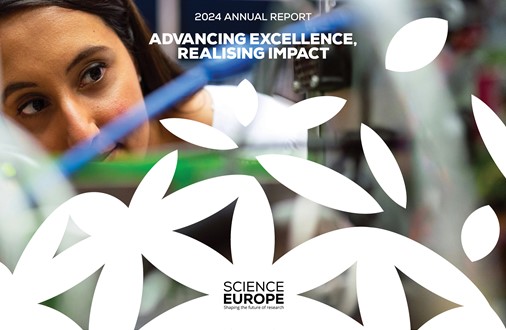
Science Europe made excellent progress on its research policy priorities in 2024, delivering key outputs in various areas, including science communication, research assessment, open science, the sustainability of research, international collaboration, and equality, diversity, and inclusion.
Research integrity is a cornerstone of robust and reliable research systems, and is linked to healthy research cultures, attractive working environments, and the collective goal to support high-quality research. This statements reaffirms its importance and offers recommendations to research organisations for further action.
2023 proved to be another landmark year for Science Europe: building on the achievements of the previous year and setting the direction for new approaches in vital areas of research policy.
Science Europe congratulates ALLEA on the update of its European Code of Conduct for Research Integrity.
In 2022, Science Europe made significant contributions in various areas, including research culture, research assessment, open science, EU framework programmes, the green and digital transition, and science communication.
The 2022 High Level Workshop on the ERA dealt with the topic of research ethics and integrity when engaging with various public audiences.

The 14th edition of the High Level Workshop on the ERA was hosted by the SNSF and the Swiss State Secretariat for Education, Research and Innovation. It focused on research ethics and integrity in the context of public engagement.

The Annual Meeting of the Global Research Council took place from 30 May to 3 June in Panama City. It was co-hosted by the National Secretariat of Science, Technology, and Innovation of the Republic of Panama (SENACYT) and the National Science Foundation of the United States (NSF).

Together with CSIC and NCN, Science Europe is organising the European Regional Meeting of the Global Research Council to provide input to the 2022 GRC Annual Meeting.